Museums in Israel Home

Category

Museum Innovation

14 articles

Sound as a Second Curator: How Israeli Museums Are Composing the Visitor Experience

Sound as a Second Curator: How Israeli Museums Are Composing the Visitor Experience

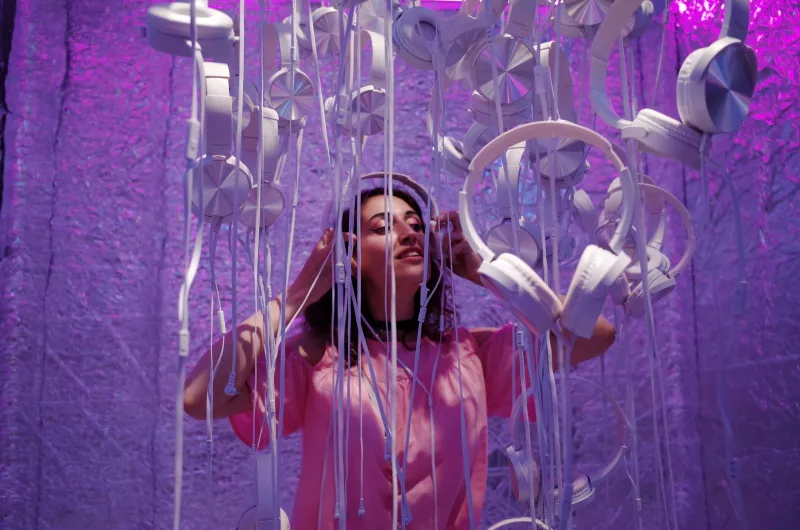
A growing number of Israeli cultural institutions are moving beyond silence and generic background music, commissioning original scores and site-specific soundscapes that transform how visitors engage with exhibitions. From Tel Aviv's contemporary art spaces to desert heritage sites in the Negev, sound design has become a serious curatorial tool. American museum professionals are increasingly looking to these experiments as a model for emotionally resonant storytelling.

After Dark: How Israeli Museums Are Reinventing the Evening Hours

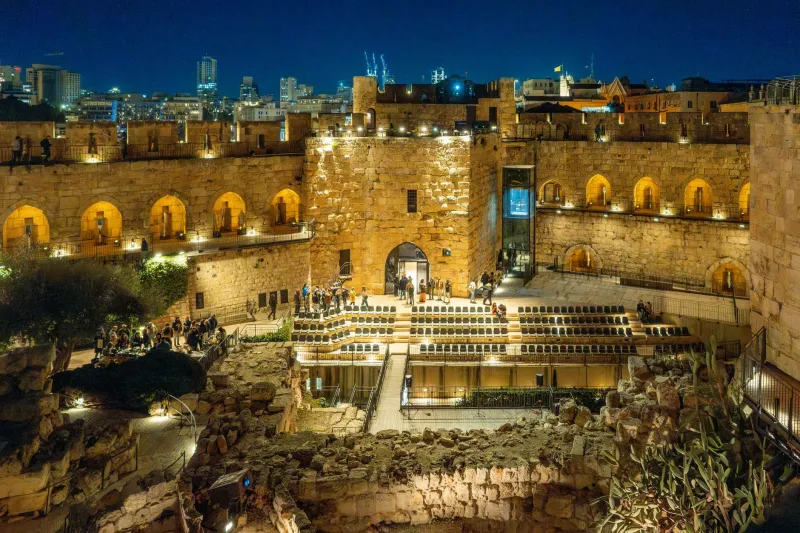
After Dark: How Israeli Museums Are Reinventing the Evening Hours

Across Israel, a growing number of cultural institutions are staying open well past sunset—and what they are discovering is changing how they think about their audiences. From rooftop concerts at archaeological sites to late-night film screenings in ancient courtyards, after-hours programming is attracting younger visitors, working professionals, and international tourists who might never have walked through the front door during conventional opening times.

What Gets In and What Stays Out: The Curatorial Decisions Shaping Israel's Museum Galleries

Behind every artifact on display in an Israeli museum lies a decision—often agonizing, always consequential—about whose story deserves to be told. Museum directors and curators across the country navigate a complex web of ethics, politics, and institutional identity each time they determine what enters a gallery and what remains in storage. This article examines the human process behind those choices and what they reveal about the broader question of historical representation.

Voices Reclaimed: How Israeli Museums Are Capturing the Untold Stories of Communities the Archive Forgot

Voices Reclaimed: How Israeli Museums Are Capturing the Untold Stories of Communities the Archive Forgot

Across Israel, a growing number of museums are turning away from documents and artifacts alone, choosing instead to record the living memories of communities whose histories were never written down. From Mizrahi Jewish neighborhoods in development towns to Bedouin encampments in the Negev, these oral history initiatives are quietly reshaping what it means to preserve the past. For American institutions grappling with their own gaps in the historical record, the lessons emerging from Israel offer

Where Artifacts Meet Inquiry: How Israeli Museums Are Redefining the Classroom Experience

Where Artifacts Meet Inquiry: How Israeli Museums Are Redefining the Classroom Experience

Israeli museums are stepping far beyond the traditional field trip model, forging genuine partnerships with educators to create hands-on, artifact-driven learning experiences for students of all ages. From Bronze Age excavation simulations to adult literacy programs rooted in cultural storytelling, these institutions are reshaping how history and heritage are taught. The results are influencing curriculum design across the country and offering a compelling model for museums worldwide.

Listening to the Past: How Israeli Museums Are Pioneering Audio-Driven Immersion

Listening to the Past: How Israeli Museums Are Pioneering Audio-Driven Immersion

A growing number of Israeli museums are moving decisively beyond the visual, deploying sophisticated soundscapes, oral histories, and period-authentic music to draw visitors into living encounters with the past. From Jerusalem's storied galleries to Tel Aviv's contemporary institutions, audio design is becoming a central curatorial language—and American museums are beginning to take notice.

What American Museums Are Learning from Israel: A Quiet Revolution in Curatorial Practice

What American Museums Are Learning from Israel: A Quiet Revolution in Curatorial Practice

Israeli museums have long operated at the intersection of deep antiquity and urgent contemporary relevance, developing curatorial strategies that few institutions elsewhere have needed to master. Now, major American museums are taking careful notes. From exhibition design philosophy to visitor engagement models, the influence of Israeli cultural institutions on US museum practice is growing in ways that deserve serious attention.

Rebuilding What War Erased: How Israeli Museums Are Harnessing Technology to Reclaim Shattered Heritage

Rebuilding What War Erased: How Israeli Museums Are Harnessing Technology to Reclaim Shattered Heritage

Across Israel, cultural institutions are deploying remarkable technological tools—from artificial intelligence to photogrammetric scanning—to reconstruct artifacts and sites devastated by regional conflict. These efforts represent far more than conservation science; they signal a profound commitment to cultural memory in one of the world's most historically complex regions. This article examines the specific methods, institutions, and human stories behind this extraordinary work.

When the Past Is Disputed: How Israeli Museums Balance Competing Historical Narratives in Their Galleries

When the Past Is Disputed: How Israeli Museums Balance Competing Historical Narratives in Their Galleries

Israeli museums occupy one of the world's most contested cultural landscapes, where a single artifact can carry profoundly different meanings depending on who is looking at it. From Jerusalem to Tel Aviv, curators are rethinking how exhibitions present layered, sometimes irreconcilable histories to visitors from across the globe. This article examines the curatorial decisions, institutional pressures, and philosophical frameworks shaping some of Israel's most thought-provoking museum experiences

Beneath the Surface: How Israeli Museum Conservators Are Giving Ancient Artifacts New Life

Beneath the Surface: How Israeli Museum Conservators Are Giving Ancient Artifacts New Life

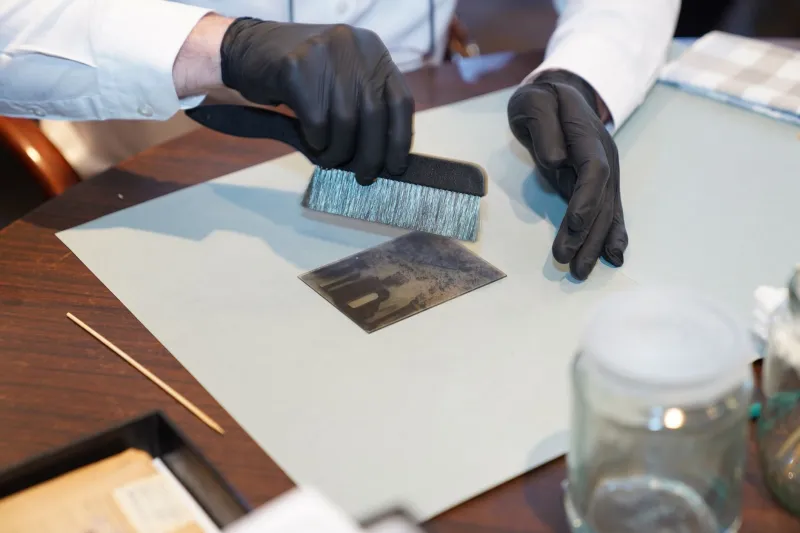
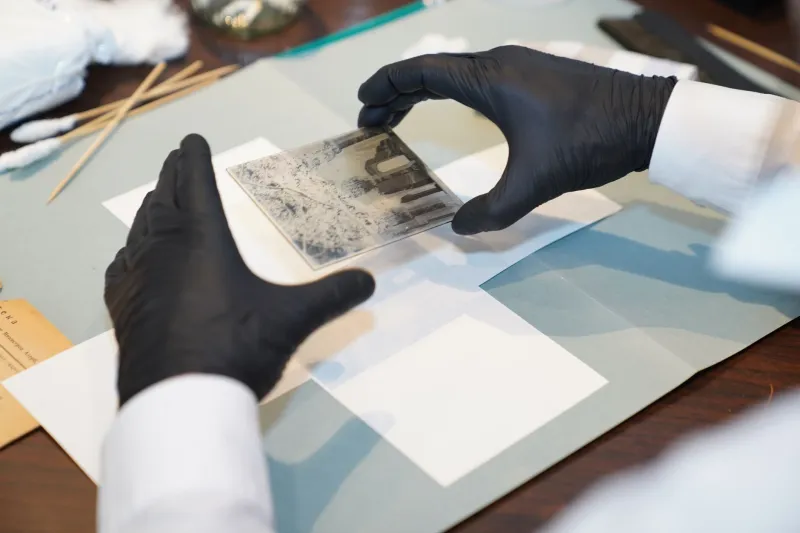
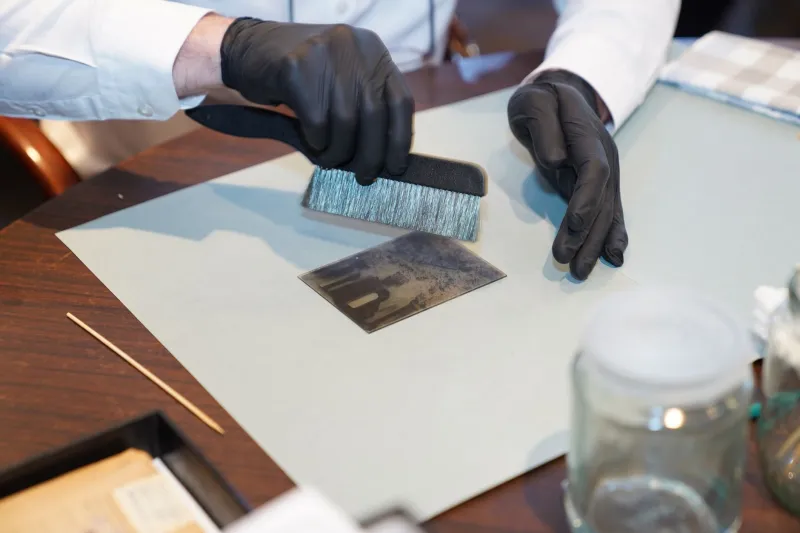
Deep within the walls of Israel's leading museums, conservation scientists and master craftspeople work in near silence, coaxing fragile relics of the ancient world back from the brink of deterioration. These specialized laboratories blend forensic chemistry, digital imaging, and centuries-old artisanal technique to prepare objects for their return to public view. A visit behind the scenes reveals a discipline as intellectually rigorous as it is quietly remarkable.

From Jerusalem to Your Living Room: How Israeli Museums Are Pioneering Digital Access to the Ancient World

From Jerusalem to Your Living Room: How Israeli Museums Are Pioneering Digital Access to the Ancient World

Israeli cultural institutions are transforming how global audiences engage with thousands of years of history through virtual tours, high-resolution 3D artifact scans, and expansive digital archives. From diaspora communities in New York to scholars in Chicago, these online initiatives are making Israel's irreplaceable collections more accessible than ever before. Here is a look at the technology, the institutions leading the charge, and why it all matters.

Guardians of Culture: How Israeli Museums Protect Their Collections When Conflict Comes Knocking

Guardians of Culture: How Israeli Museums Protect Their Collections When Conflict Comes Knocking

Israeli museum professionals have developed some of the world's most sophisticated protocols for safeguarding cultural heritage under extraordinary pressure. From rapid-response evacuation plans to digitization initiatives that serve as an insurance policy against physical loss, the institutions entrusted with Israel's artistic and historical legacy operate with a resilience that few of their international counterparts can match. This article examines the practical and ethical dimensions of that

Beyond the Display Case: How Israeli Museums Are Reinventing Cultural Preservation for the 21st Century

Beyond the Display Case: How Israeli Museums Are Reinventing Cultural Preservation for the 21st Century

Israeli museums are abandoning the passive, glass-case model of exhibition in favor of immersive storytelling, cutting-edge technology, and community-driven narratives. From kibbutz heritage centers to urban art institutions, these pioneering spaces are reshaping how history is experienced—and offering valuable lessons for cultural institutions worldwide. Here is what the transformation looks like from the inside.